We want to create the biggest online listing collection of Rv's around the world!
Please add you short stay rv rentals now.
Stayin in a nice home for vacation is great, but sometimes also a little bit static. Why stay on the same place all the time? Take your home with you by booking a RV. We collect the greatest mobile homes from around the world so that you can book your mobile home anywhere around the world within minutes !
11 Rv's found
North America
United States of America
Alabama
Alaska
California
Connecticut
Michigan
Nevada
Ohio
South Dakota
List your rv on this page?
Add linkRenting an RV or motorhome: a practical guide to life on the road
An RV turns a holiday into a string of mornings in different places. One day you wake up beside a lake, the next at the edge of a national park, and the kitchen, the bed and the bathroom come with you. Still, a modern motorhome is a large and complex vehicle, and a little preparation makes the difference between an easy road trip and a stressful one.
This guide covers the choices you face when renting a modern RV or campervan, the rules that change from country to country, and the practical side of water, power and waste.
Choosing the right size
The biggest vehicle is not always the best one. A large motorhome feels like a home, but it is harder to drive on narrow roads, harder to park in towns and uses more fuel. Here are the main types you will come across:
- Campervans are built into a van. They are easy to drive and park, fit into normal parking spaces and suit couples.
- Class B motorhomes, as they are called in North America, are high roof vans fitted out as complete small homes, with a bathroom, kitchen and fixed bed.
- Class C motorhomes are built on a truck or van chassis with a living box behind the cab, often with a sleeping area above it. They are a popular choice for families.
- Class A motorhomes are the large, bus shaped vehicles common in the United States and Canada, with slide outs that widen the living space when parked. They are the most comfortable and the most demanding to drive.
- Towable trailers, including travel trailers and fifth wheels, are pulled by a car or pickup truck. You can unhitch and explore with the tow vehicle, but towing takes practice.
In Europe, the same ideas apply with different names: panel vans, semi integrated and fully integrated motorhomes, and caravans. Whatever the label, count the real sleeping places and seat belts, not just the number of beds in the brochure.
Driving a big vehicle
Before your first trip, check whether your licence allows you to drive the vehicle you want. The rules for heavier vehicles differ per country. In many European countries a standard car licence covers motorhomes up to 3.5 tonnes, while heavier models need an extra category. In the United States and Canada most rental RVs can be driven on a normal licence, but rules vary by state and province for the very largest rigs. If you plan to drive abroad, ask whether you also need an international driving permit.
Once you are on the road, remember a few things. Know your exact height, length and weight. Low bridges, tunnels, car parks and fuel station roofs are real hazards, and some scenic roads and national park routes restrict vehicle length. Brake earlier, take corners wider and use your mirrors constantly. Reverse with a passenger outside guiding you. And in Australia, New Zealand, Japan and South Africa you drive on the left, which takes some getting used to in a wide vehicle.
Where you can park for the night
Rules on overnight parking vary more than almost anything else, so check them for every country and region.
The United States and Canada have a deep RV culture, with private RV parks, state and provincial park campgrounds and national park campgrounds, some of which book up long in advance for summer. Parks near places like Yellowstone, the Grand Canyon and the Canadian Rockies are popular, so reserve early.
Australia and New Zealand are campervan countries, with holiday parks in most towns and plenty of basic campsites in national parks and reserves. In New Zealand, free camping is often only allowed for certified self contained vehicles, and local rules apply, so do not assume you can stop anywhere.
Europe has a huge network of campsites, and several countries also offer dedicated motorhome stopovers, such as the aires in France and the Stellplätze in Germany, often in or near villages. Wild camping rules differ from country to country, and even between regions.
Japan has roadside stations known as michi-no-eki, with parking, toilets and local food, where many travellers take a rest on long drives. Campgrounds and RV parks are also available, and local rules on overnight stays should be respected.
South Africa and South America offer memorable road trips, from the Garden Route to Patagonia, with campsites and caravan parks along the main routes. Many travellers here choose 4x4 campers with rooftop tents for gravel roads. Ask the rental company about safe places to stay and roads to avoid.
Water, power and waste
An RV has its own systems, and learning them on day one saves trouble later.
- Hookups at an RV park connect your vehicle to mains electricity, and sometimes to fresh water and a sewer outlet. A pitch with full hookups means all three.
- Fresh water is stored in a tank. Fill it with a clean hose meant for drinking water, and check how long it lasts with showers and dishes.
- Grey water from the sink and shower goes into a separate tank, and black water from the toilet goes into another tank or a removable cassette.
- Dump stations are where you empty these tanks. Wear gloves, empty black water first, and never dump anywhere else.
- Off grid power comes from leisure batteries, often with solar panels, and sometimes a generator. Ask how long the batteries last without hookups.
Insurance, mileage and one-way rentals
Read the rental terms carefully. Check what the insurance covers, how high the excess or deductible is, and whether damage to the roof, underbody or windscreen is excluded, since those are common with tall vehicles. Some companies include unlimited distance, others charge per mile or kilometre above a daily allowance, which adds up quickly on big road trips.
One-way rentals, where you pick up in one city and drop off in another, are a great way to cover long distances, for example across Australia or between cities on the west coast of North America. Expect a one-way fee in most cases, which varies with the route and the season.
Questions to ask before you book
- Can I drive this vehicle on my licence, and is there an age limit for drivers?
- What are the exact height, length and weight of the vehicle?
- Is distance unlimited, or is there a daily allowance?
- What does the insurance cover, and how high is the excess?
- Are kitchen equipment, bedding and outdoor furniture included?
- Is a one-way rental possible, and what is the fee?
- Does the vehicle have solar panels, a generator or an inverter?
- Will I get a full walkthrough of the systems at pickup?
- Are pets allowed, and can I take the vehicle on ferries or unpaved roads?
Tips for your first trip
Plan shorter driving days than you think, because an RV is slower than a car and setting up takes time. Book campgrounds ahead in peak season, and remember that seasons are reversed in the Southern Hemisphere, so the busy summer months in Australia, New Zealand, South Africa and Patagonia fall roughly from December to February. Secure everything inside before you drive, because loose items fly around on the first bend. Keep a checklist for leaving a site: steps up, awning in, hookups off, roof vents closed.
Finding your RV on this page
The RV rentals, RV parks and campgrounds on this page are grouped by continent, country and region, so you can quickly find options along your route. Each link goes to the owner's own website, where you can check availability and book directly. Do you rent out motorhomes or run an RV park or campground? Add your link for free with the button above and help travellers find their way on the road.
Looking for an awesome place to spend your holiday?
Or want to advertise your houseboat, lighthouse, treehouse or glamping?
Check these links below!
Blog posts
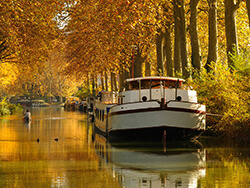
Barge river cruises in France
River cruises in France are the next luxury holiday destination. Cruise your private barge with cook down the French rivers.
Read more..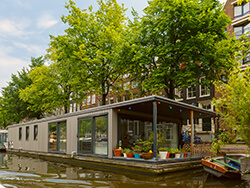
Rent a houseboat in Amsterdam
A houseboat is a great place to stay when visiting Amsterdam. Stay close to the city center but have a lot of private space.
Read more..